
HS Green News Archive: Healthy Food & Lifestyle Updates
-
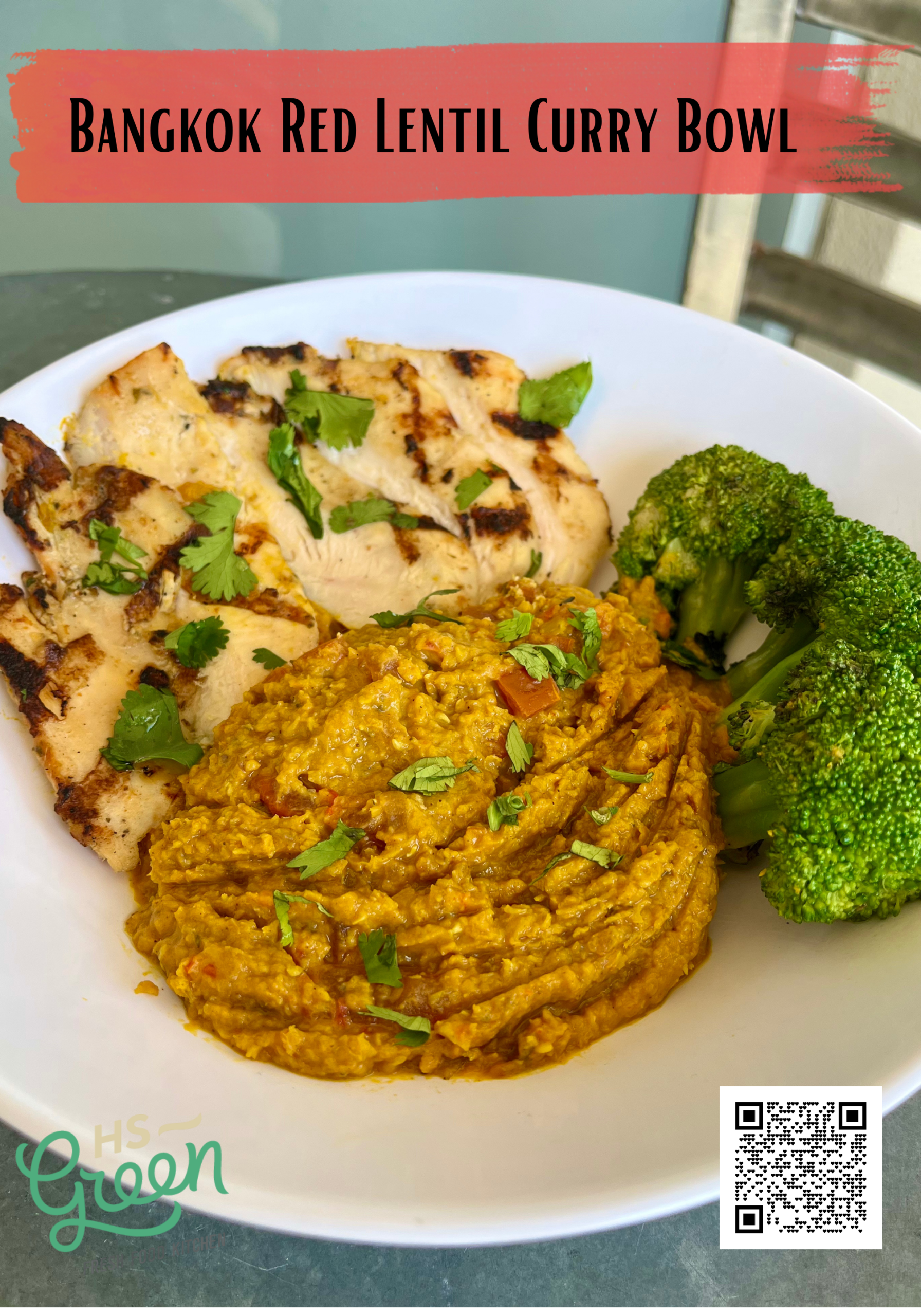
Lentils: The “Natural GLP-1”
September 2, 2026
You may have heard lentils called a “poor man’s GLP-1” or “natural Ozempic” on social media. While lentils don’t have the medical effects of prescription… Read More
-

Stay Updated with HS Green's Latest Health & Food News
August 21, 2026
At HS Green we use 100% olive oil in our kitchen except beef tallow for frying. Olive oil is widely recognized as a source of… Read More
-

Embrace a Healthy Lifestyle through Food
July 10, 2023
In our modern world, it’s easy to overlook the importance of nourishing our bodies with wholesome foods. However, the key to embracing a healthy lifestyle… Read More
-

Unveiling the Hidden Dangers: The Diseases Caused by Food Additives
June 19, 2023
In today’s fast-paced world, convenience often takes precedence over scrutinizing the ingredients that make up our food. Unfortunately, this has led… Read More
-
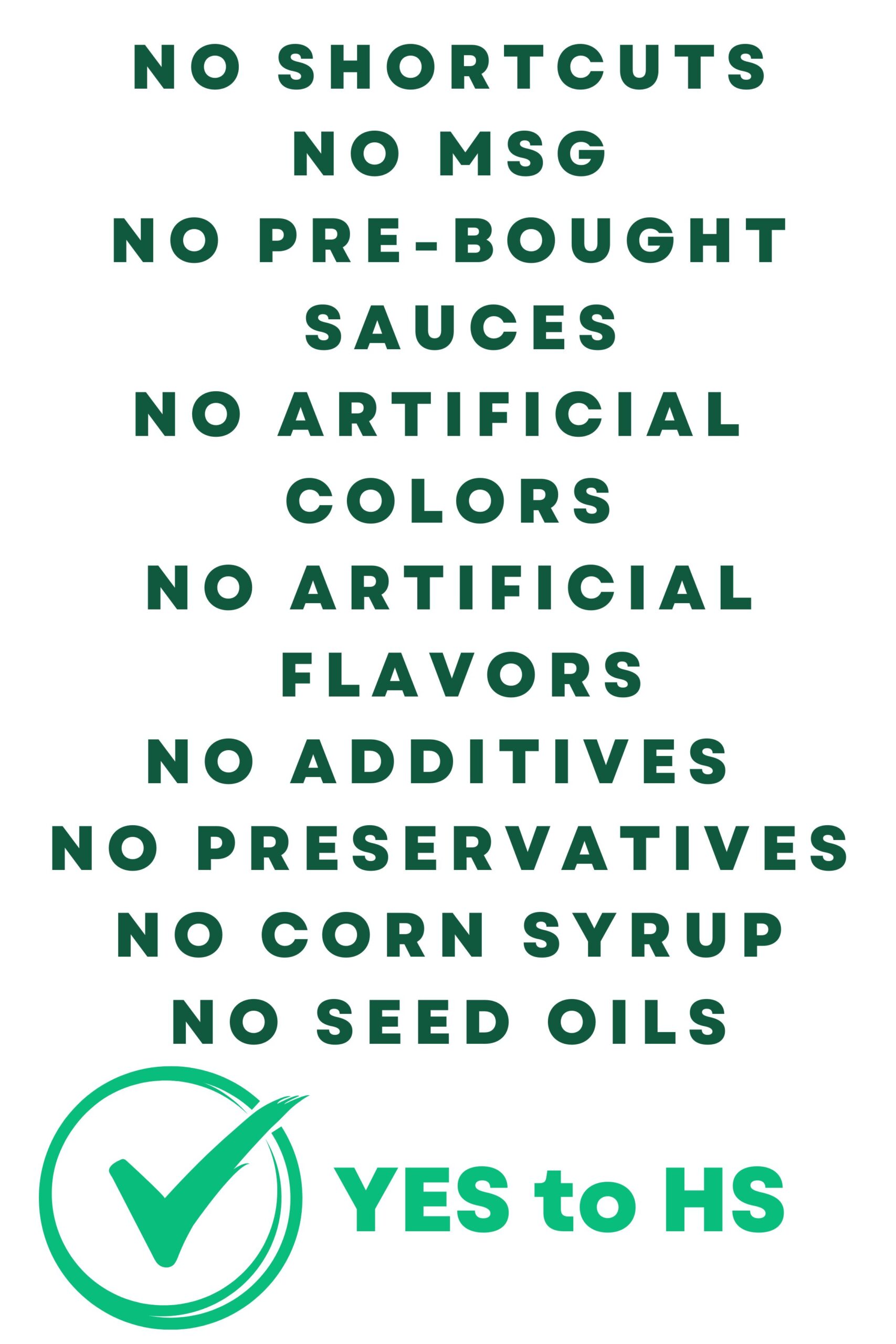
The Challenge of Finding Clean, Natural Food Options
May 21, 2023
In a world filled with processed foods and artificial additives, the challenge to find clean, natural food options has become increasingly important for health-conscious individuals.… Read More
-

Did Somebody Say Pizza Party?!
August 22, 2019
At HS Green we know that there is nothing better than eating pizza while feeling healthy. We wanted to share this feeling with our food… Read More

Join HS Green Rewards to start earning points towards your next clean meal.
Earn 5% on everything you spend at HS Green!
Sign Up