Understanding the Benefits of Wholesome Foods
Embracing a diet rich in wholesome foods is fundamental to achieving and maintaining a vibrant, healthy lifestyle. These foods, minimally processed and naturally nutrient-dense, provide the essential vitamins, minerals, and fiber our bodies need to function optimally. Incorporating them into your daily meals can lead to increased energy levels, improved digestion, and a stronger immune system.
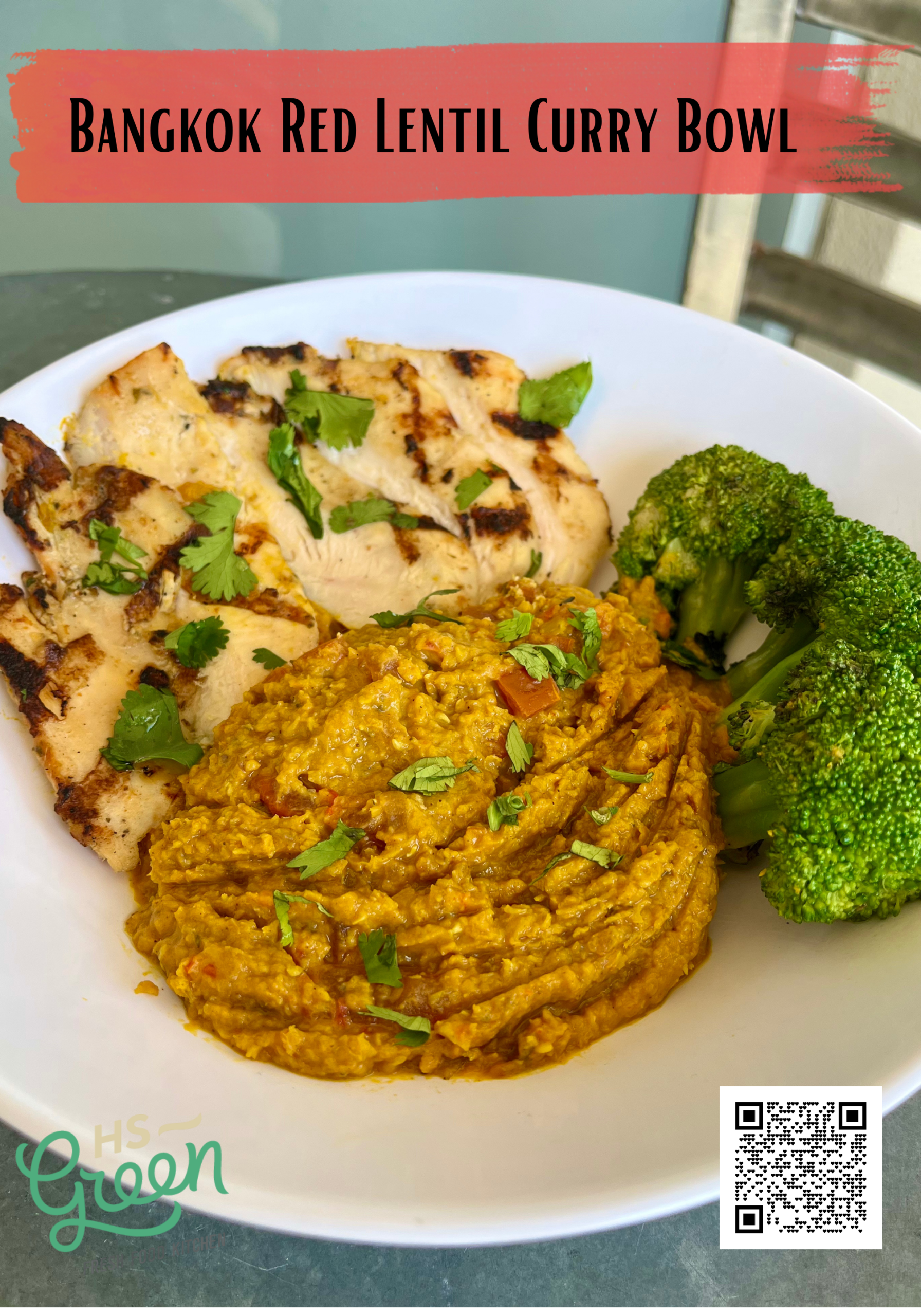
Wholesome foods encompass a wide variety of options, including fresh fruits and vegetables, lean proteins, whole grains, and healthy fats. For instance, a breakfast of oatmeal with berries and nuts offers sustained energy, while a lunch salad packed with colorful vegetables and grilled chicken provides a balanced intake of nutrients. These choices directly contribute to long-term health and disease prevention.
The Impact of Food Additives on Health
The prevalence of food additives in modern diets poses significant health risks that are often underestimated. These artificial ingredients, used to enhance flavor, color, texture, and shelf life, can trigger a range of adverse reactions and contribute to chronic health issues over time. Understanding these dangers is crucial for making informed food choices.
Common food additives like artificial sweeteners, preservatives (such as BHA and BHT), and artificial colors have been linked to hyperactivity in children, allergic reactions, digestive problems, and even more serious conditions like certain cancers and neurological disorders. For example, studies have indicated potential links between excessive consumption of artificial colors and increased risk of behavioral issues in susceptible individuals.
Strategies for Sourcing Clean and Natural Food
Navigating the modern food landscape to find genuinely clean and natural food options can be a daunting task. However, with strategic approaches, consumers can successfully identify and procure foods that are free from harmful pesticides, artificial additives, and excessive processing, thereby supporting their health and wellness goals.
Key strategies include prioritizing locally sourced produce from farmers' markets, which often means less travel time and fewer preservatives. Reading food labels meticulously to identify recognizable ingredients and avoid long lists of chemical names is also vital. Opting for organic certifications can provide an additional layer of assurance against synthetic pesticides and genetically modified organisms (GMOs).
The Role of Cold Pressed Juices in a Healthy Diet
Cold-pressed juices are a valuable addition to a healthy lifestyle, offering a concentrated source of vitamins, minerals, and enzymes that are easily absorbed by the body. This extraction method preserves more nutrients compared to traditional juicing, making it an efficient way to boost daily intake of essential micronutrients.
Unlike conventional juicing, the cold-press process uses a hydraulic press to extract juice with minimal heat and oxidation. This results in a richer flavor profile and a higher retention of beneficial compounds. For example, a cold-pressed green juice can deliver a potent blend of nutrients from leafy greens, fruits, and vegetables, supporting detoxification and overall vitality.